ServicesInsurance Claims
Insurance Claims Help in Reedley
An accident leaves you with a damaged car and a pile of questions for your insurer. We write a detailed repair estimate, share photos with your adjuster, and keep the same small crew on your car from teardown to pickup, so you always know who to ask.
What we do on an insurance claim
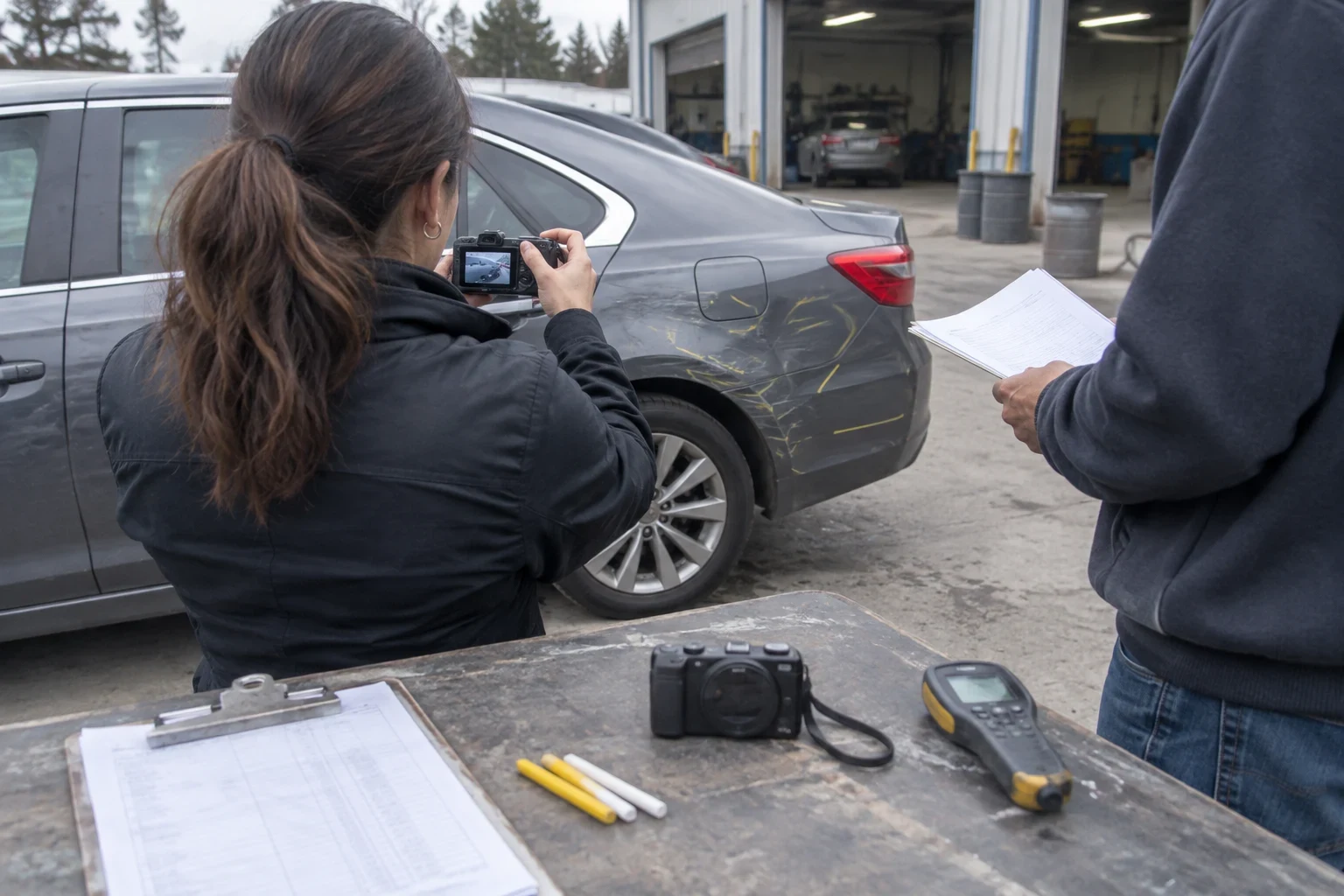
Your insurance company decides what it will pay. We decide how your car gets fixed correctly. Our part of the claim is to put the real damage in writing, with photos and a line-item estimate, so the adjuster works from facts instead of a quick look in a parking lot.
We are not your adjuster, and we do not negotiate your policy for you. What we do is answer the adjuster's questions, send supplements when hidden damage turns up, and explain each step to you in plain words. The person who looked at your car on the first day is the same person you talk to when it is ready to go home.
Your insurer may suggest a shop, but in California the choice of repair shop is yours. Many drivers simply want a shop where they know the people working on their vehicle.
What our claim help includes
- 01
A line-item repair estimate
We list every part, every labor operation and every paint step separately. You and your adjuster can see exactly what the repair involves and why.
- 02
Photos of the damage
We photograph the damage before we start and again as panels come off. Those photos go to your insurer with the estimate, which cuts down on back-and-forth.
- 03
Supplements for hidden damage
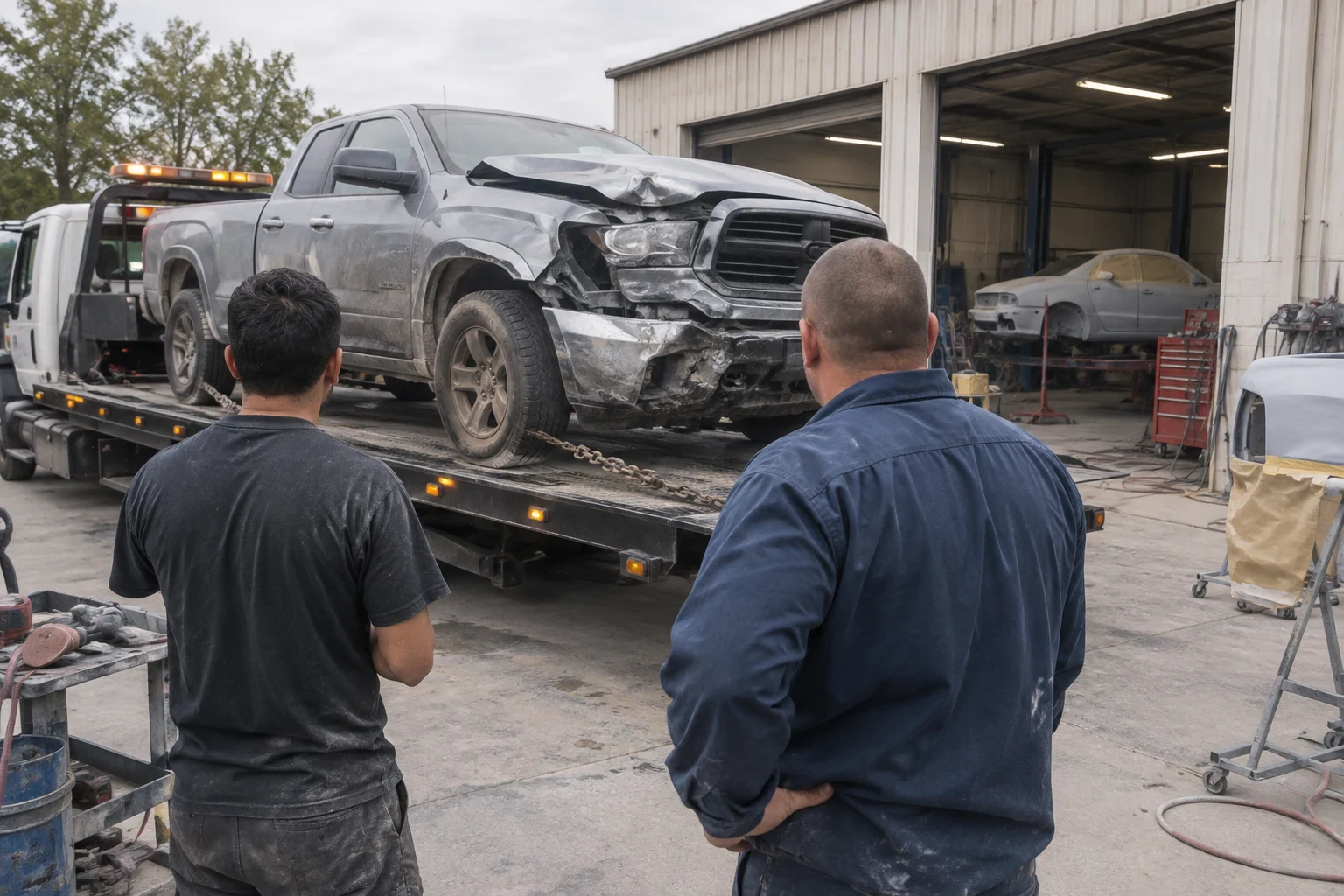
Once a bumper cover or door skin comes off, we often find bent brackets, crushed energy absorbers or broken clips nobody could see from outside. We stop, photograph it and send a supplement to your insurer before going further, so the repair is not cut short to fit the first number.
- 04
Talking with your adjuster
When the adjuster has a question about a part or a repair method, we answer it directly. You stay informed without having to relay technical details back and forth.
- 05
One point of contact
Because our crew is small, the same people inspect, repair and update you. You will not be passed between departments to find out where your car stands.
Questions about Insurance Claims?
Call(559) 315-1279Signs you could use help with your claim
The insurer's estimate looks thin
A first estimate written from photos or a drive-through inspection often misses damage behind the panels. We can look at your car and write our own estimate for comparison.
You were steered toward one shop
Some insurers recommend shops they have arrangements with. You are free to bring your car to us instead, and we will work with your insurer the same way.
Your car drives differently now
If it pulls to one side, a door will not close cleanly or the gaps between panels look uneven, the damage may go deeper than the skin. That can mean frame straightening, which needs to be on the claim from the start.
New warning lights on the dash
Bumpers and mirrors on newer cars hold sensors for parking aids and safety systems. A light after an accident is a sign those parts need attention as part of the repair.
The other driver's insurer is involved
Claims through another driver's policy add a second adjuster and more paperwork. We keep the documentation consistent so both sides see the same facts.
How a claim repair works with us
- 1
Start with a phone call
Tell us what happened, who your insurer is and your claim number if you already have one. We will set a time for you to bring your car to our shop.
- 2
Inspection and written estimate
We look the car over, photograph the damage and write a line-item estimate. We explain what we found, including anything that may need a closer look once parts come off.
- 3
Adjuster review
We send the estimate and photos to your insurer and answer the adjuster's questions. Work begins once the repair is approved.
- 4
The repair, with updates
The same crew handles teardown, body work and refinishing. If we find more damage, we pause, document it and send a supplement, and we let you know before anything changes.
- 5
Final check and pickup
We road-test the car, check panel fit and paint match, and walk you through what was done. You settle your deductible, if one applies, and drive home.
What moves the cost of a claim repair
With most claims, the part you pay yourself is the deductible, and your insurer covers the approved repair. The total repair figure still matters to you, since it drives how the claim settles and whether a supplement goes in later. Here is what tends to push that figure up or down.
- Damage you cannot see yet
- Bent brackets, crushed absorbers, pinched wiring and structural parts can take up more of the job than the dent on the outside. The more of this sits behind the panels, the further the final total moves past the first estimate.
- The type of parts covered
- Policies differ. Some cover factory parts, while others call for aftermarket or used parts. We mark the part type on each line of the estimate so you can see what is going on your car.
- Getting the paint to match
- New paint on one panel rarely disappears next to older paint unless we fade it into the surrounding panels as well. That extra refinishing takes time, so we include it in the estimate up front instead of adding it at the end.
- Sensors and safety systems
- When a bumper or mirror carries a sensor, it may need testing or recalibration once the repair is done. We give that its own line so nobody is caught off guard.
- Which policy is paying
- Using your own collision coverage usually means paying your deductible. If the other driver's insurer accepts fault, you often do not owe one.
What drivers ask us about insurance repairs
My insurer suggested a body shop. Can I bring my car to you instead?
Yes. In California, you pick where your car gets repaired, not your insurance company. Your insurer may point you toward shops it has arrangements with, but that is a suggestion, not a rule. Let your adjuster know your vehicle is coming to us, and we take it from there.
Is it better to file a claim or just pay for the repair out of pocket?
That depends on how bad the damage is, what your deductible is and what your policy says. We can inspect your car and write an estimate first, so you are deciding with a real repair figure in hand. The decision to file stays between you and your insurer.
What if more damage turns up once the panels come off?
We stop, photograph what we found and send a supplement to your insurer for approval. Then we call to walk you through it. Most collision repairs end up with at least one supplement, and it keeps the job complete instead of trimmed to fit the first number.
When do I pay, and how much do I owe?
If your policy has a deductible, you pay that to us when you pick up your car. The insurer pays the rest of the approved repair. We go over the paperwork with you at pickup so it is clear who paid what.
Will you help me line up a rental while my car is in the shop?
Rental coverage is part of your policy, so your insurer arranges it. What we can do is give your adjuster our expected repair timeline and update them if a supplement adds time. That helps them book the rental for as long as you actually need it.
Start your claim with a clear estimate
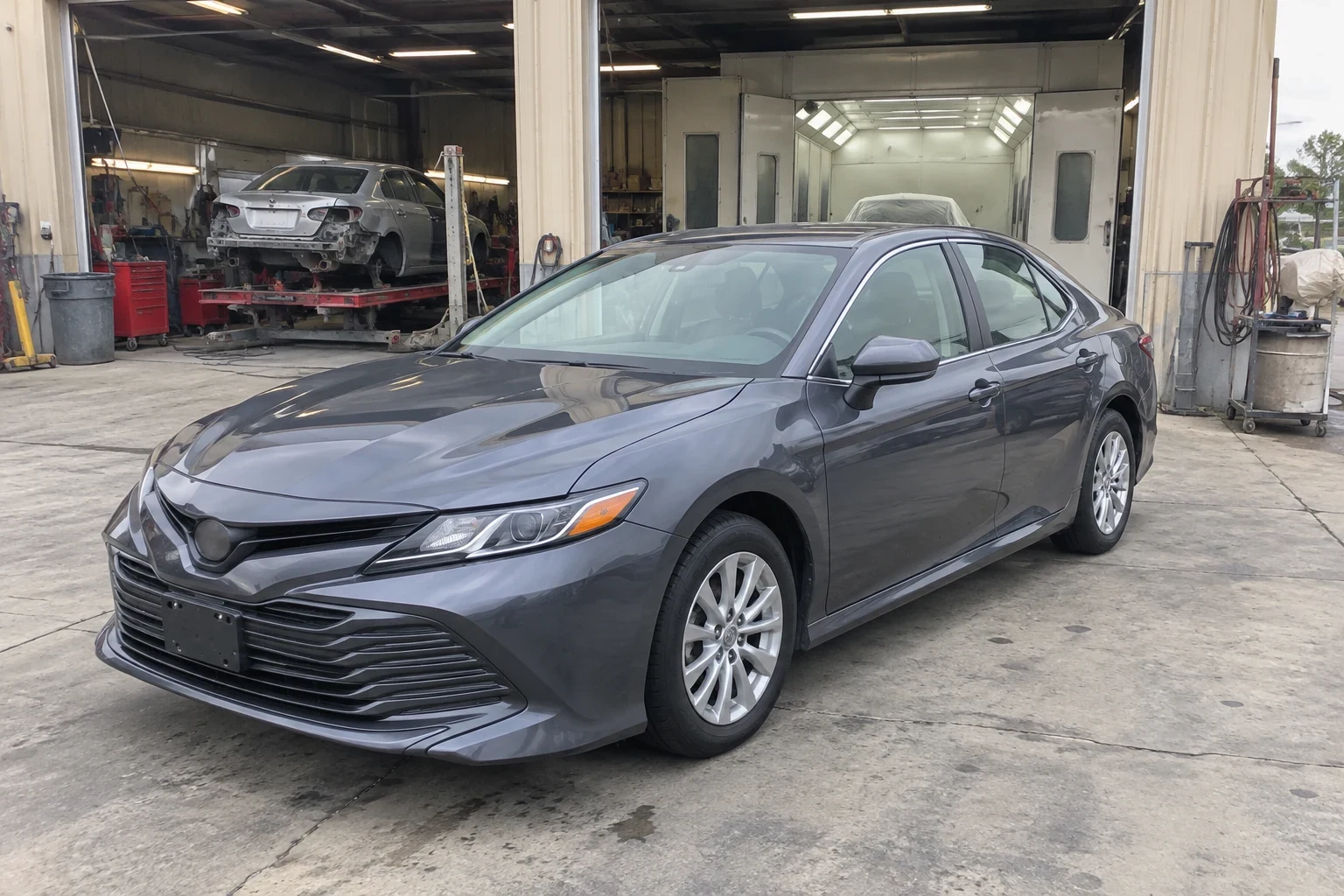
Bring us your questions and your claim number if you have one. We will look at your car, put the damage in writing and keep you updated from the first day to pickup.